When I first encountered the concept of the metaverse, I envisioned it as something transcendent—a realm where goodbyes need not exist. More than just a digital space, the metaverse represents an intricate tapestry, weaving together the fragmented threads of our existence. It is a bridge that connects disparate realities, offering continuity where disconnection once prevailed. In an increasingly digital world, it holds the promise of preserving and extending human connections beyond the limitations of time and space.
We are living in an era that increasingly celebrates those who dream, imagine, and push boundaries. The once-dismissed question, "Why not?" is now met with curiosity and encouragement rather than skepticism. As we reflect on the societal transformations unfolding today and anticipate those of the next decade, we can foresee even greater shifts in our collective values. This evolution brings excitement—a sense of wonder at the possibilities that lie ahead.
The metaverse, as I define it, aligns seamlessly with this changing landscape. While global conflicts and challenges persist, the metaverse presents a unique opportunity to build bridges rather than barriers. Technological advancements often stir concerns, yet if approached thoughtfully, the digital realm can become a means of fostering inclusivity, understanding, and continuity. By harnessing the full potential of the metaverse, we pave the way for ethical solutions that transcend traditional limitations, creating spaces where meaningful interactions can flourish.
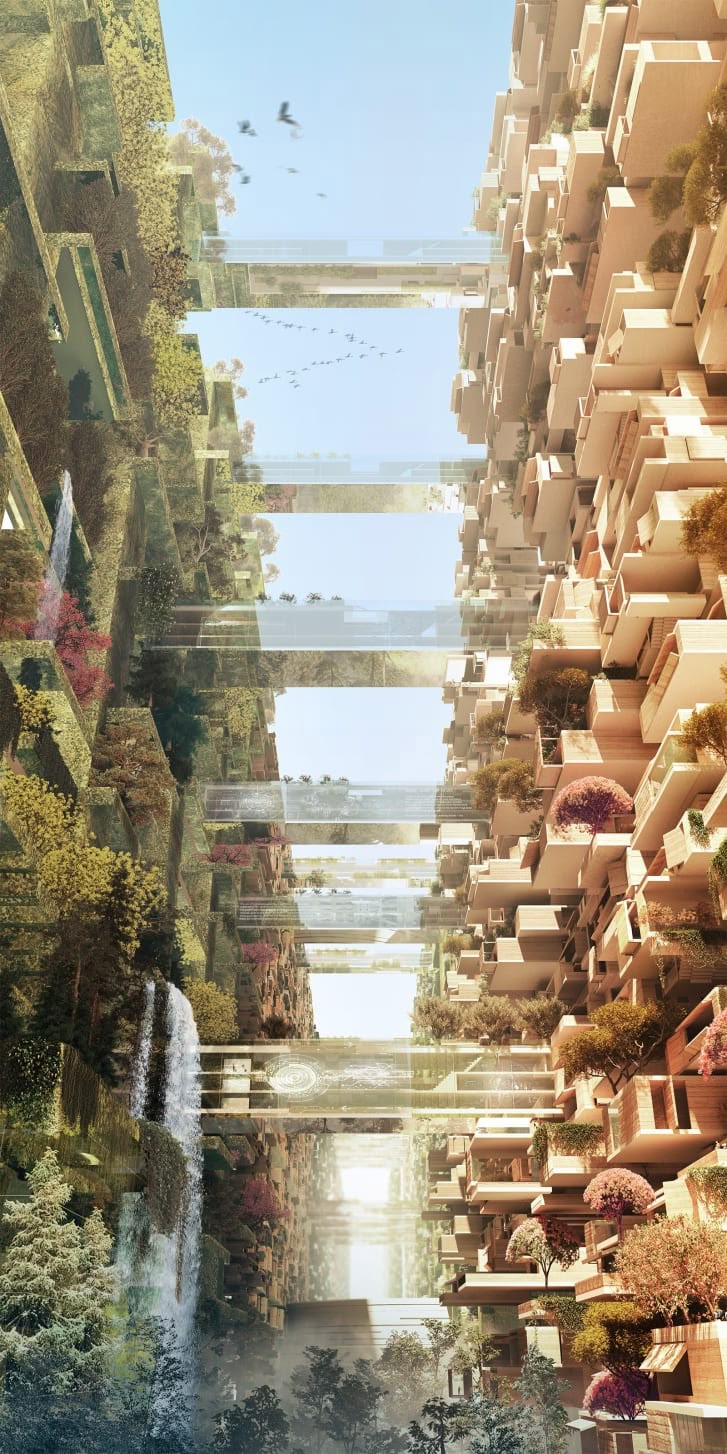
As technology continues to evolve, the fusion of artificial intelligence (AI), extended reality (XR), and spatial computing is shaping the way we interact with digital environments. Across the world, industries are rapidly adopting these innovations, integrating them into various aspects of daily life. The metaverse, once a speculative vision, is now taking form as a transformative digital ecosystem.
One of the key domains where the metaverse has gained traction is within virtual spaces and architecture. The ability to explore, design, and interact with three-dimensional environments has revolutionized industries such as real estate, urban planning, and digital artistry. In particular, the emergence of PropTech (Property Technology) has illustrated the power of immersive digital tools in reshaping how we navigate and experience spaces. With advancements in 3D visualization, augmented reality (AR), and virtual reality (VR), individuals can engage with spaces in ways that were previously unimaginable.
The surge of interest in virtual environments has only intensified in recent years. The global shift towards remote work, digital collaboration, and online socialization has accelerated the demand for immersive platforms. From digital twin cities to metaverse-based social hubs, the expansion of virtual spaces signals a fundamental shift in how we define presence and interaction.
With great technological advancement comes an equally significant responsibility. As we construct digital environments that mirror and expand upon our physical world, we must ask ourselves: What kind of metaverse are we building?
The metaverse is not merely a playground for technological experimentation; it is a reflection of our values, aspirations, and ethics. If leveraged thoughtfully, it can become a force for good—a platform that nurtures inclusivity, accessibility, and cultural exchange. However, without careful consideration, it risks replicating the very inequalities and divisions that exist in the physical world.
To ensure that the metaverse fulfills its highest potential, we must prioritize human-centered design, data privacy, and digital well-being. The goal should not merely be to replicate reality but to redefine it in ways that enhance human connection, creativity, and coexistence.
As we stand at the cusp of this digital evolution, one thing remains certain: the metaverse is not a distant future—it is unfolding now. How we choose to shape it will determine whether it becomes a fragmented, isolated space or a thriving, interconnected ecosystem.
The vision of a boundless digital landscape—where creativity knows no limits and where goodbyes are merely pauses, not endings—is no longer just a dream. It is a reality waiting to be built, one idea, one innovation, and one connection at a time.




I am currently available for new projects and collaborations, bringing a wealth of experience in crafting innovative, user-centered designs