.jpg)
South Korea has been at the forefront of adopting IT and artificial intelligence (AI) technologies across various industries. In recent years, the metaverse has gained significant traction, particularly within the PropTech sector, which views the evolution from virtual 3D environments to AR, VR, and the metaverse as a crucial technological shift.
Following the 2019 pandemic, the demand for virtual real estate solutions surged as people sought alternative ways to explore and transact properties despite mobility restrictions. This shift led PropTech companies in Korea to prioritize innovative, user-centric digital services.
During this period, DaBang sought to expand its service offerings beyond basic virtual property viewings. The company established a dedicated department, 3D DaBang, to explore and conceptualize the integration of the metaverse into its real estate platform. The primary objective was to define a distinctive identity for DaBang’s metaverse experience, aligning it with evolving market trends and user expectations.
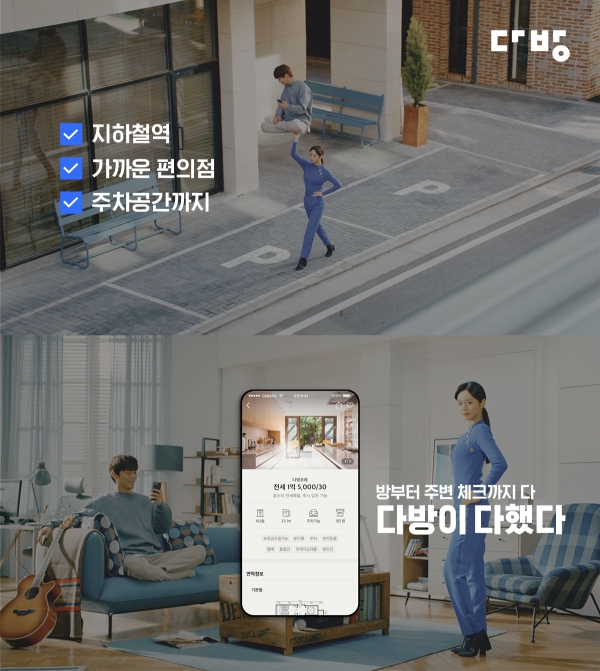

As part of this initiative, I led a project to propose a unique conceptual color scheme for DaBang 3D, ensuring visual coherence and an immersive experience within the metaverse. The aim was to differentiate DaBang’s virtual real estate environment from conventional 3D models and create an identity that resonated with both users and industry advancements.
The proposed metaverse concept laid the foundation for DaBang’s virtual real estate innovation, reinforcing its commitment to pioneering digital solutions in PropTech. By strategically positioning itself in the metaverse space, DaBang aimed to provide users with a more immersive, interactive, and visually engaging property exploration experience.
This project not only contributed to DaBang’s brand differentiation but also showcased the potential of integrating design and technology to shape the future of real estate in the metaverse era.




I am currently available for new projects and collaborations, bringing a wealth of experience in crafting innovative, user-centered designs